
Packaging made from recycled material, paper and compostable film
Sustainability starts with the material: films with 50 to 100% recycled material, ECOMAILER® with the Blue Angel eco-label, and paper with FSC® certification or made from waste paper – the exact proportion and certification are detailed for each item. In addition, we offer bags made from film certified as compostable, specifying whether they are suitable for industrial or home composting.


Films with recycled material
We offer packaging containing recycled material under our NORDWERK ECO brand.
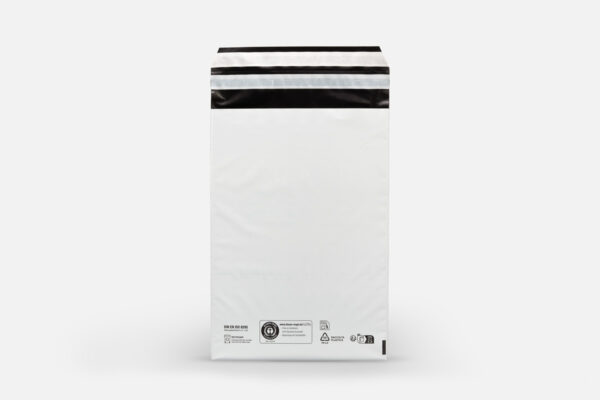
- ECOMAILER® mailing bags: at least 80% post-consumer recycled material (PCR), Blue Angel eco-label (DE-UZ 30a), 60 µm, PE mono-material.
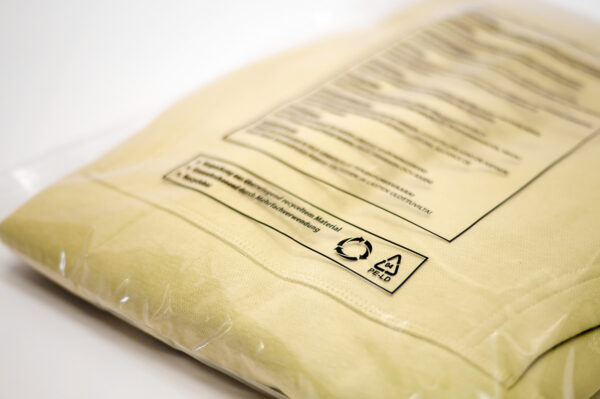
- ECOBAGS® textile packaging: 100% post-industrial recycled material (PIR).
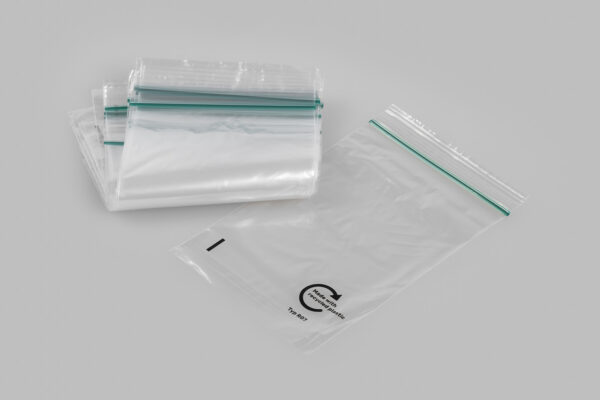
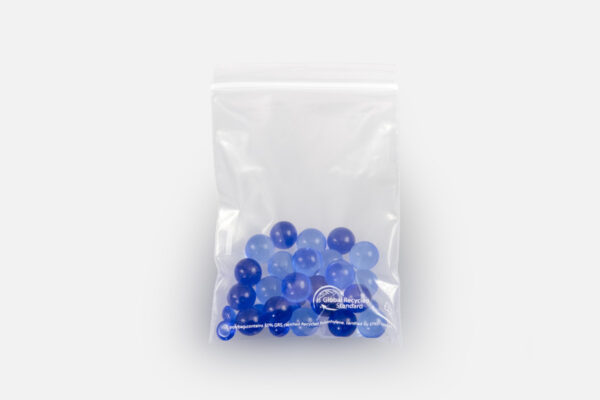
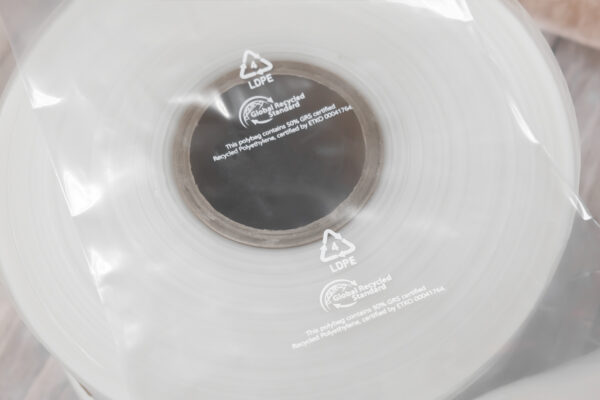
- Grip seal bags made from PCR recycled granulate, 50 µm: at least 50% PCR, GRS-certified.
- Grip seal bags made from recycled LDPE film, 38 µm: 65% PIR.
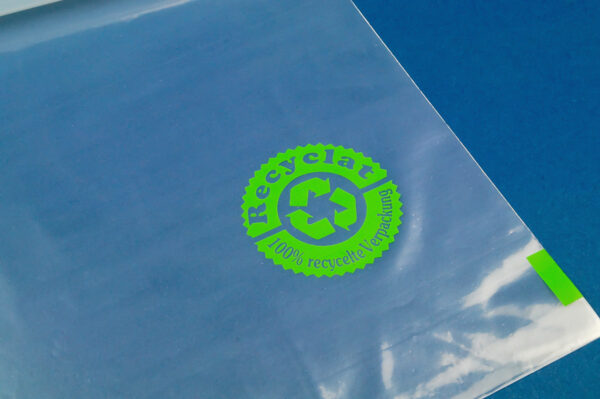
- Flat bags made from rLDPE: 100% PCR.
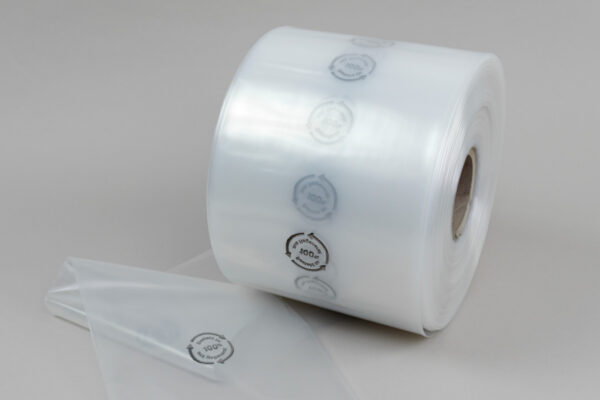
- Tubular film made from recycled granulate: 50% (GRS-certified) or 100%.
PCR comes from used packaging, while PIR comes from production waste. All films in this group are made exclusively of polyethylene (monomaterial) and belong in the plastic recycling collection after use, or in the film collection within business operations.
Bags made from compostable film
We offer compostable and bio-based packaging under our NORDWERK GREEN brand.
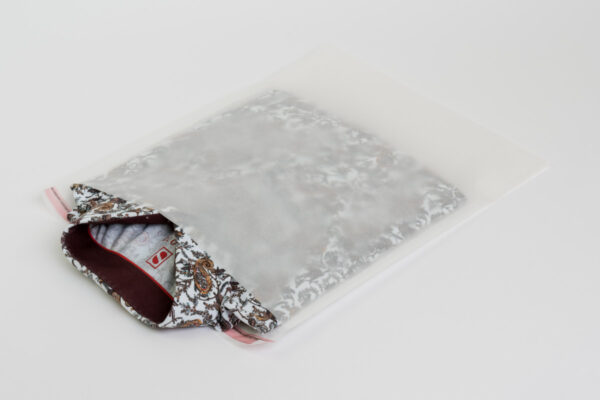
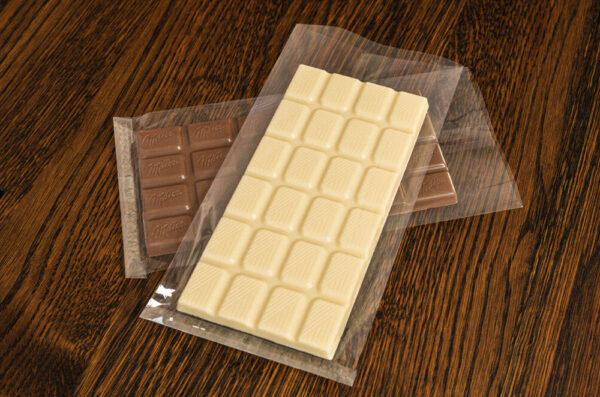
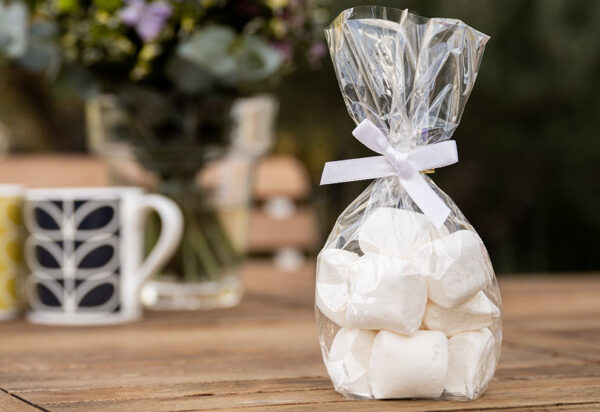
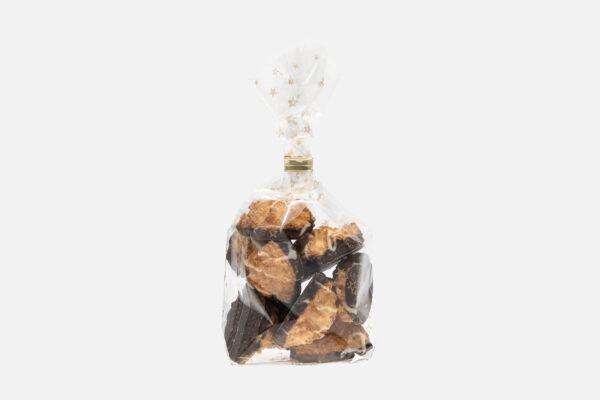
- Flat and block bottom bags made from cellophane (regenerated cellulose from wood pulp), 23 µm: The film is certified industrially compostable (EN 13432) and home compostable (OK compost HOME), with 98% bio-based carbon (ASTM D6866).
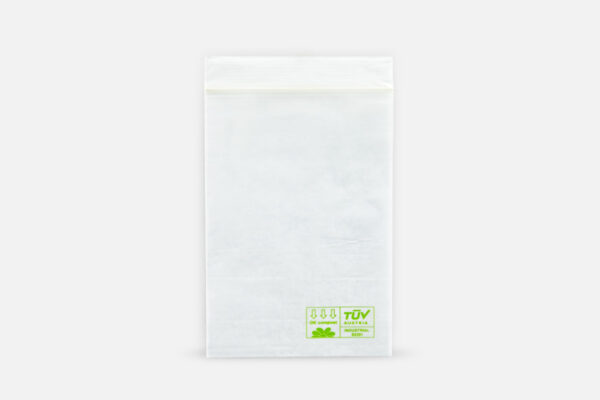
- Grip seal bags made from PLA (polylactic acid), 50 µm: industrially compostable, with TÜV certification mark.
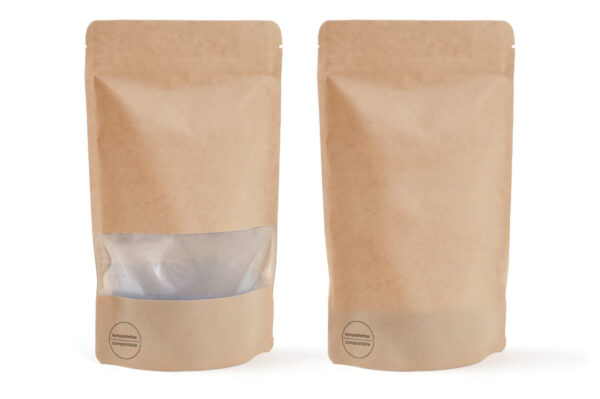
- Stand-up pouches made from kraft paper with an inner PLA layer: "OK compost INDUSTRIAL", food-safe.
Industrially compostable means: the packaging breaks down in an industrial composting facility, not in garden compost. Compostable packaging is generally not accepted in organic waste bins in Germany; without access to industrial composting, it belongs in residual waste. Cellophane bags may also be put on garden compost.
Packaging made from paper
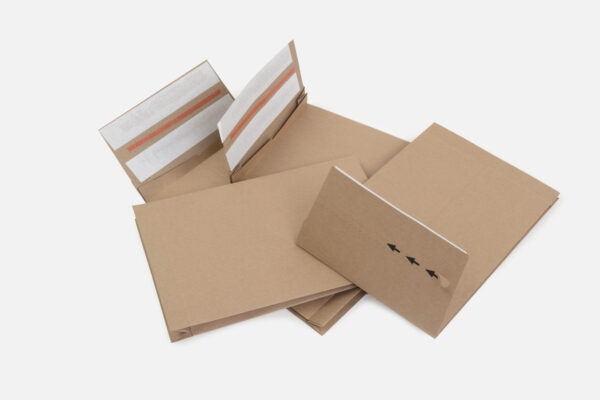
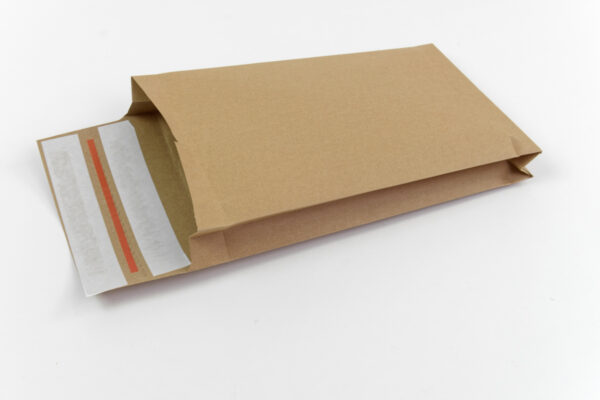
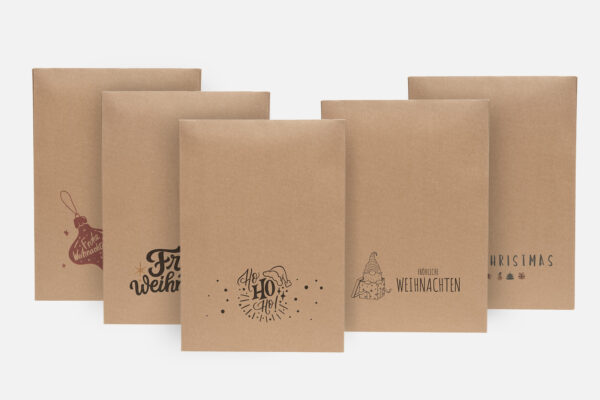
- KRAFTMAILER® mailing bags: kraft paper 135 g/m², FSC®-certified, up to 30% recycled fibres, second adhesive strip for returns. Also available as a Christmas edition.
- KRAFTMAILER® light: kraft paper 110 g/m², otherwise identical to KRAFTMAILER®.
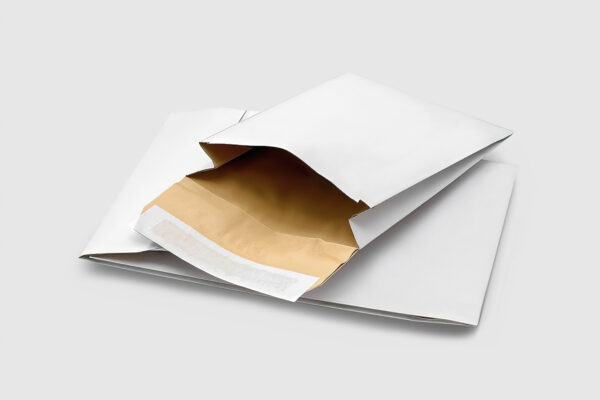
- WAVEMAILER® padded bags: three layers of paper (outside 140 g/m², corrugated padding 120 g/m², inside 90 g/m²), without plastic padding.
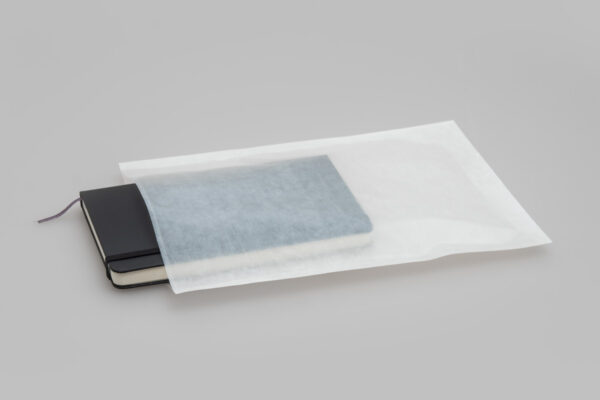
- Glassine bags with flap and flat glassine paper bags: 40 g/m², translucent; the flat bags are FSC-certified.
Paper packaging belongs in the paper recycling bin. The adhesive strips of the KRAFTMAILER® do not need to be removed for this.
Frequently asked questions
What is the difference between PCR and PIR?
Post-consumer recycled material (PCR) is obtained from packaging that has already been used and returned through collection systems. Post-industrial recycled material (PIR) comes from film manufacturing waste. Each item specifies which recycled material it contains and in what proportion.
Are compostable bags also recyclable?
No. PLA and cellophane cannot be processed in standard plastic recycling, and the PLA layer on stand-up pouches interferes with waste paper recycling. Therefore, they do not belong in the yellow recycling bag or in waste paper.
Where can I find the data sheets?
On each product page, along with the explanation in accordance with the EU Packaging Regulation (PPWR).